
Stylish Swimwear Alternatives for Modest Comfort and UPF
The beach or pool should be a sanctuary of relaxation, but for many of us, the pressure of a traditional, skin-baring swimsuit turns a sunny getaway into a source of stress.
You don't have to choose between personal comfort and a dip in the ocean. Whether you’re seeking full coverage for modesty, elite sun protection, or athletic swimwear that actually stays put during water sports, the “standard bikini” is no longer your only option.
In this guide, we’ve prepared the ultimate list of swimwear alternatives that bridge the gap between chic style and total confidence. From eco-friendly rash guards to versatile swim dresses, these pieces are designed to help you enjoy the water on your own terms.
Let’s dive right in.
Why Look for Swimwear Alternatives?
Standard bikinis and traditional one-pieces aren’t the perfect fit for everyone. Whether you are hitting the waves, lounging by the pool, or hanging out at a beachside cafe, the demand for swimwear alternatives is growing fast.
We see more people looking for functional, stylish options that offer better coverage and utility than a standard bathing suit.
Key Takeaways
| Feature | Traditional Swimwear | Swimwear Alternatives |
|---|---|---|
| UV Protection | Minimal | High (UPF 50+) |
| Activity Level | Low to Medium | High (Water Sports) |
| Coverage | Limited | Customizable / Full |
| Versatility | Poolside Only | Beach to Boardwalk |
Sun Safety & UV Protection
Your skin deserves premium protection. Traditional swimsuits leave too much skin exposed to harsh UV rays, forcing you to reapply sunscreen constantly. Choosing protective swim shirts and full coverage rash guards provides a built-in barrier against sun damage, keeping you safe during long days under the sun.
Modesty and Personal Comfort
Everyone deserves to feel confident at the beach. Many women prefer modest active swimwear that doesn’t sacrifice style for coverage. From swim leggings with skirt combos to full-coverage tops, these alternatives allow you to move freely without feeling overexposed.
High-Activity & Water Sports
If your beach day involves paddleboarding, beach volleyball, or surfing, standard swimwear often falls short. You need gear that stays put. Athletic swimwear tops and rugged board shorts for swimming offer the security and durability required for high-energy water sports.
Seamless Transitions
No one enjoys changing multiple times a day. Modern swimsuit alternatives for women are designed to look great both in and out of the water. These quick-dry pool outfits let you transition seamlessly from a morning swim straight to a casual lunch spot without needing a wardrobe change.
Top 6 Stylish & Functional Swimwear Alternatives
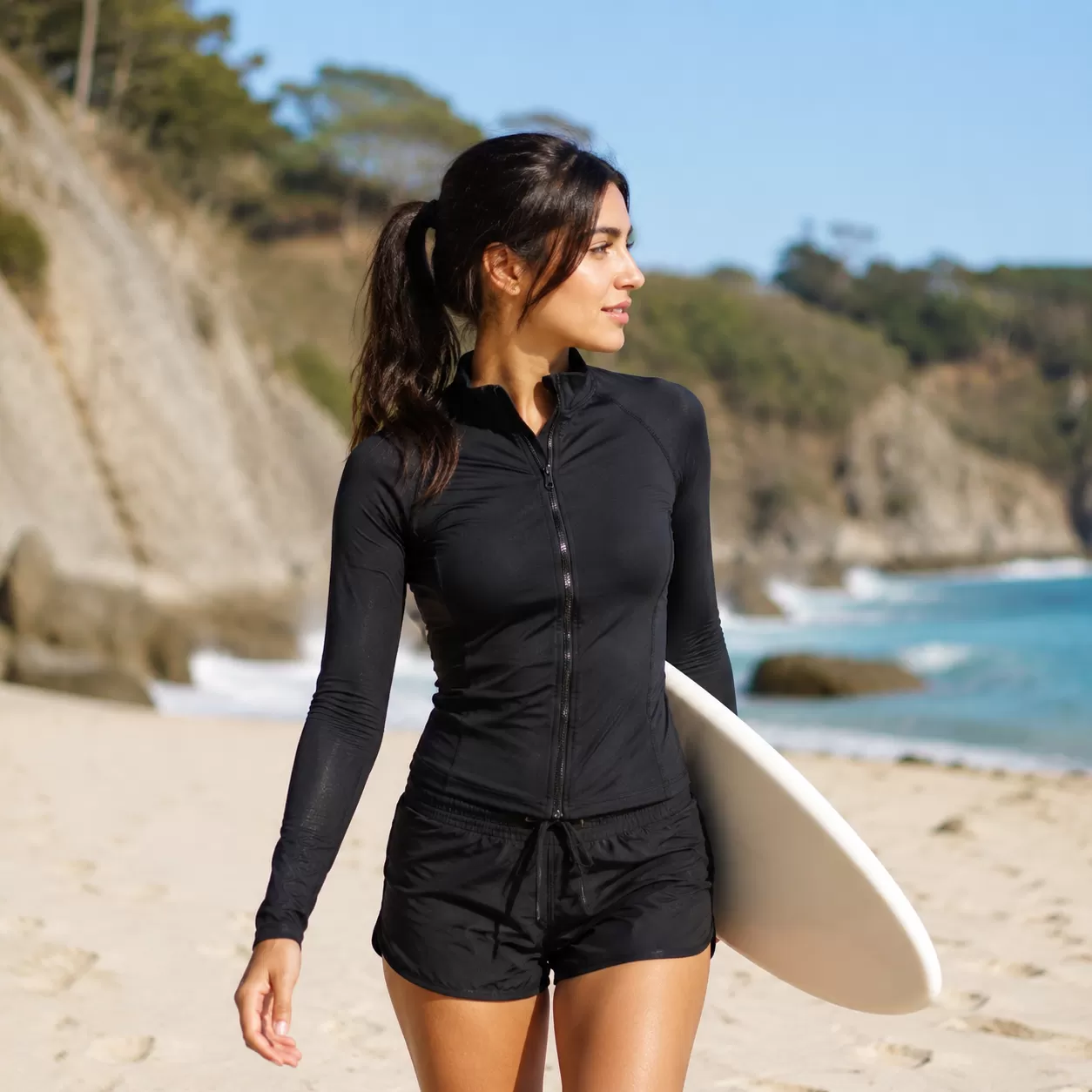
Finding the right balance between comfort, coverage, and style doesn’t mean you are locked into a traditional bikini or one-piece. We designed these six highly functional swimwear alternatives to cater to every body type, activity level, and personal style preference.
The Active Duo: Rash Guards & Swim Shirts
For those who spend more time surfing, paddleboarding, or chasing kids on the sand than lounging, protective swim shirts and full coverage rash guards are the ultimate setup.
- Built-in Sun Protection: Most options feature UPF 50+ fabric to block out harsh UV rays.
- Chafe Prevention: Flatlock seams prevent irritation during high-intensity water sports.
- Versatile Styling: You can easily layer these athletic swimwear tops over a bikini piece or a supportive sports bra.
The Feminine Solution: Swim Dresses & Rompers
If you want a one-piece look with a bit more thigh and hip coverage, two-piece swim dresses and one-piece swim rompers offer a classic, feminine silhouette without sacrificing water functionality.
- Built-In Briefs: Features an attached swim bottom underneath for complete security.
- Flattering Fits: Designed with A-line skirts or relaxed romper shorts that drape naturally.
- All-Day Wear: Transitions smoothly from a dip in the ocean to a casual boardwalk lunch.
Maximum Coverage: Swim Leggings & Capri Pants
When sun safety, modesty, or jellyfish protection is your top priority, swim leggings offer the most comprehensive lower-body coverage available.
| Feature | Swim Leggings | Traditional Leggings |
|---|---|---|
| Water Absorption | Lightweight, does not weigh you down | Heavy, retains water |
| UV Protection | Excellent (Typically UPF 50+) | Minimal to none |
| Drying Time | Ultra-fast quick-dry fabric | Slow, prone to sagging |
For a slightly sportier look, a swim leggings with skirt combo provides extra coverage around the hips while keeping your legs protected.
The Athleisure Cross-Over: Board Shorts & Sports-Bra Style Tops
Borrowing the best elements from gym gear, this combination is the go-to for anyone asking what can I wear instead of a swimsuit while staying entirely active.
- High-Waisted Swim Shorts & Board Shorts: Provide a secure fit around the waist with functional pockets and drawstring closures.
- Athletic Swimwear Tops: Offer maximum bust support, wide straps, and zero hardware to dig into your skin.
- Mix-and-Match Flexibility: Allows you to customize your top and bottom sizes independently for a perfect fit.
The Hybrid Choice: Tankinis & Blouson Tops
Tankinis bridge the gap between a two-piece and a full-coverage one-piece. A blouson-style tankini top features a banded bottom that cinches at the hips, creating a loose, forgiving fit around the midsection.
- Easy Restroom Breaks: Gives you the full coverage of a one-piece but separates easily.
- Adjustable Coverage: Can be paired with high-waisted shorts, bikini briefs, or swim skirts.
The Eco-Conscious Alternative: Water-Wicking Workout Wear
For a truly minimalist wardrobe, water-friendly workout clothes made from recycled nylon and polyester blends double as excellent swimsuit alternatives for women.
- Dual-Purpose Design: Crafted to handle both heavy sweat on land and chlorine in the pool.
- Sustainable Sourcing: Made using eco-friendly alternative swimwear practices, utilizing regenerated ocean plastics and recycled materials.
- Compressive Fit: Keeps everything held securely in place whether you are running on the beach or swimming laps.
Fabric Matters: What to Look For in Alternative Swimwear
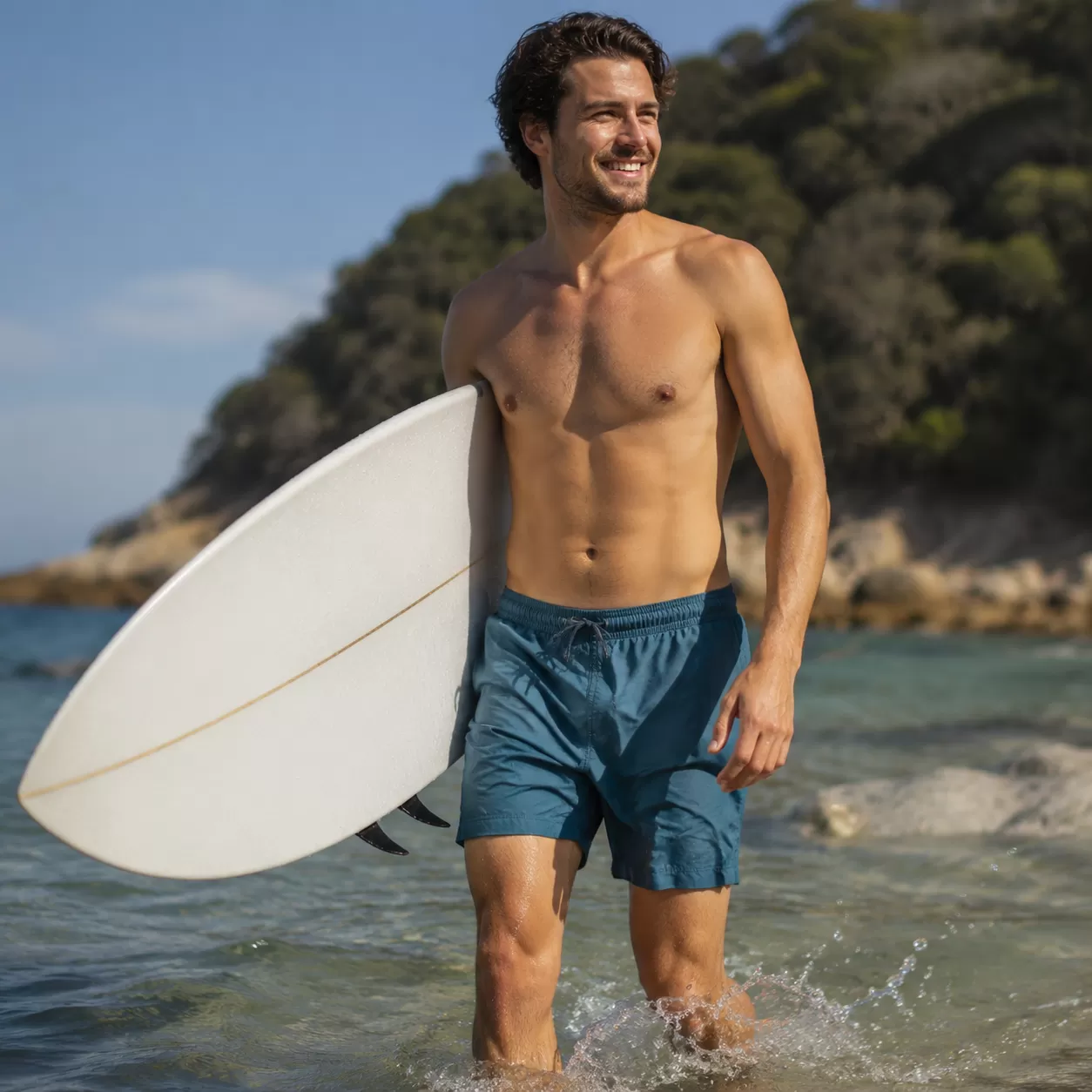
When you step away from traditional bikinis or one-pieces, fabric selection becomes your top priority. The right material transforms regular clothing into high-performing swimwear alternatives. To ensure your outfit handles the water safely and stays comfortable all day, look for these three non-negotiable fabric features.
Quick-Dry Technology
No one wants to sit around in soggy, heavy clothes after a dip. Choosing water-friendly workout clothes with advanced quick-dry technology is essential for a seamless transition from the pool to the beach lounge.
- Synthetic Fibers: Look for high-quality nylon, polyester, and spandex blends.
- Moisture Management: These fabrics pull water away from your skin and accelerate evaporation.
- Weight Control: They won’t sag, stretch out, or retain water weight while you swim.
Chlorine and Saltwater Resistance
Pool chemicals and ocean salt can ruin standard apparel after just a few wears. If you are picking out athletic swimwear tops or DIY quick-dry pool outfits, the fabric must be engineered to withstand harsh environments.
| Fabric Type | Performance in Water | Durability Factor |
|---|---|---|
| Chlorine-Resistant Polyester | High | Won’t fade, stretch, or thin out from pool chemicals. |
| Nylon-Spandex Blends | Medium-High | Excellent stretch recovery, best washed right after saltwater exposure. |
| Standard Cotton | Low | Absorbs water, sags, and degrades quickly. Avoid completely. |
Sustainability
Choosing eco-friendly alternative swimwear is a massive priority for modern US shoppers. We focus heavily on sourcing green performance fabrics that protect the planet without sacrificing durability.
- Recycled Nylon (Econyl): Made from abandoned fishing nets and ocean plastic, offering the exact same compression and strength as virgin nylon.
- Repreve Polyester: Created from recycled plastic bottles, providing excellent UV protection and chlorine resistance.
- Reduced Carbon Footprint: These sustainable fabrics use less water and energy during production, making your beach look entirely guilt-free.
Styling Your Swimwear Alternatives for a Complete Beach Look

Putting together a solid beach look with swimwear alternatives is all about blending function with personal style. You don’t have to sacrifice looking good just because you skip the traditional bikini. With the right pieces, you can easily transition from a dip in the ocean to a casual boardwalk lunch.
Here is how to elevate your alternative swim outfits using smart styling choices.
Footwear
The right shoes tie your entire water-friendly outfit together while keeping you safe from hot sand and slippery pool decks.
-
Slide Sandals: Opt for waterproof rubber or EVA slides. They are effortless to slip on and off and pair perfectly with board shorts for swimming.
-
Water Shoes: Modern water sneakers offer excellent grip and foot protection for high-activity days without looking bulky.
-
Platform Flip-Flops: A chunky flip-flop adds a touch of Y2K style to swimsuit alternatives for women, especially when paired with a swim dress.
Layering
Layering is the secret to mastering quick-dry pool outfits that work both in and out of the water.
-
Oversized Button-Downs: Throw a lightweight linen or cotton boyfriend shirt over athletic swimwear tops for an instant, relaxed vibe.
-
Utility Jackets: Lightweight, water-resistant windbreakers look great over full coverage rash guards when the beach breeze picks up.
-
Kimono Cover-Ups: A sheer, flowy cardigan adds movement and style to a fitted set of swim leggings.
Accessories
Accessories turn functional modest active swimwear into a curated fashion statement.
-
Wide-Brim Straw Hats: Essential for extra sun safety, these hats instantly elevate protective swim shirts into a classic resort look.
-
Polarized Sunglasses: Protect your eyes and add an athletic or chic edge to your outfit.
-
Waterproof Tote Bags: A trendy neoprene or mesh bag holds your gear and keeps your water-friendly workout clothes separate after a swim.
FAQs About Swimwear Alternatives
What can I wear instead of a swimsuit to a pool party?
You can opt for stylish swimsuit alternatives for women like a chic swim dress, a romper, or a sleek tankini paired with high-waisted swim shorts. Another great option is a lightweight, quick-dry pool outfit consisting of board shorts and a fitted rash guard. These choices keep you comfortable, look great poolside, and let you jump right into the water without a wardrobe change.
Can you wear regular workout clothes in the pool?
While you can technically wear them, it is not recommended unless they are specifically designated as water-friendly workout clothes. Standard gym gear absorbs too much water, gets heavy, and can sag. Cotton blends will also trap chlorine and track lint into the filtration system. For a seamless gym-to-pool transition, stick to athletic swimwear tops and swim leggings made from specialized nylon or polyester blends.
How do I choose alternative swimwear that is eco-friendly?
To find sustainable swimwear alternatives, look for brands that use recycled synthetic fabrics, such as ECONYL (regenerated nylon from ocean waste) or recycled polyester made from plastic bottles. Check for certifications like OEKO-TEX or Global Recycled Standard (GRS) to ensure the manufacturing process minimizes chemical use and environmental impact.
